Having clean water is essential in everyday life, but it is not enough. Many parents try to provide their children with purified water as they go to school, but the children end up sick in the evening if hygiene and sanitation are compromised. Safe drinking water is key, but hygiene and sanitation, though secondary, are very important.
Within the underserved communities, families put in the effort to collect water safely; however, invisible risks still remain. You will often come across a storage container that was left uncovered, people preparing food or eating with unwashed hands, or a latrine neighbouring a well. Basically, they are small, overlooked loopholes with dire consequences. Waterborne diseases do not need much effort to spread; they thrive within ordinary conditions.
Pathway of Infections
Waterborne diseases often spread when human or animal faecal matter find their way into the mouth through contaminated hands, food, surfaces or water. Health experts often refer to this as the faecal-oral pathway. This often happens when there is open defecation close to water sources; poorly constructed or unmaintained latrines; inadequate handwashing practices; improper waste disposal; and uncovered water storage containers
In one of their articles, UNICEF published that inadequate sanitation and hygiene remain key drivers of preventable childhood illnesses in Kenya and across sub-Saharan Africa. Within Africa, it has been noted that even in areas where access to safe drinking water has improved, communities are still at risk due to a lack of education and proper hygiene and sanitation infrastructure.
Proper Hygiene is a Habit
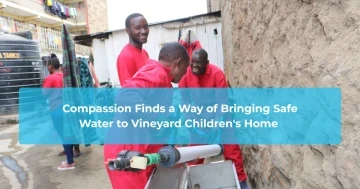
Proper hygiene is a simple but impactful practice that can save lives. In one of our beneficiary centres, Young Life Children’s Home, they really struggled with recurring illnesses among the children. Post-installation of the MS-MZ water filter, water quality improved, but they needed training and guidance to prevent re-infections. The boys at the centre, together with their caregiver, were trained in caring for the filter, proper handwashing techniques and generally maintaining hygiene within the facility.
One of the boys commented, “ In the past, we assumed that if the water looked clean, then it meant it was safe for consumption. We now understand that how we handle the water also matters” Within a few months post-installation, there was a notable difference at the rescue centre. The children were healthier, and the clinic visits had drastically improved. The water was clean, and the environment was also safe.
Hygiene and Sanitation Best Practices
Hygiene and sanitation practices are very simple, but they require consistency. Handwashing with soap before preparing or eating food, after using the toilet, and after cleaning a child or handling waste is very important, as it reduces the chances of spreading diarrhoeal diseases. Secondly, safe sanitation facilities should be constructed. Latrines should be a good distance away from water sources, and they should be regularly cleaned and maintained. Proper sanitation infrastructure protects communities and not just individual homes.
Further to this, homeowners should make it a habit to cover their water storage containers and clean the water tanks frequently. They should also avoid dipping cups or hands directly into containers. It is essential to note that treated or filtered water can become contaminated during storage if precautions are not taken.
Additionally, communities need adequate knowledge for suitable change to happen. When children are taught proper hygiene, they carry it home. When caregivers gain knowledge of contamination pathways, they are better equipped to protect the entire household. Basically, hygiene education multiplies impact.
Conclusion
When hygiene and sanitation practices improve, illnesses decrease, school attendance stabilises, and medical costs reduce. The impact may be subtle at first with fewer clinic visits, stronger children, and cleaner surroundings, but over time, it becomes profound. Clean water provides the opportunity, but proper hygiene and sanitation protect it. Supporting comprehensive water, sanitation, and hygiene (WASH) solutions is transformative. Your partnership helps us to provide water filters to underserved communities, provide hygiene education to caregivers and children and promote safe sanitation practices in vulnerable communities, which translates to protection of long-term community health. Safe drinking water starts the story, but hygiene and sanitation ensure it has a healthy ending.