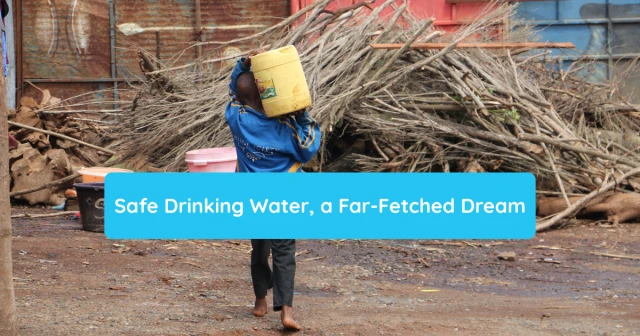
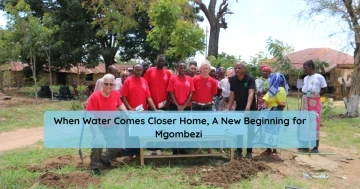
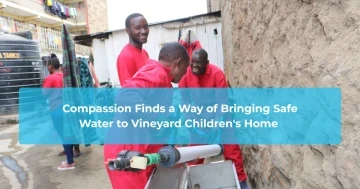
For the people of Mgombezi, water used to start with a journey. For years, families walked kilometres searching for it, often heading to River Mwena in Bumbani, a seasonal river where people and animals depended on the same water. During the dry season, the search became even harder. Some residents travelled up to five kilometres looking for water, while others bought water for KSh15 per twenty-litre jerrican and mixed it with the salty water available to them before using it for drinking and cooking. “We used to fetch water from the river,” says Dinah Marura, Community Development Leader and Chairlady of Mgombezi ABCD.
It was not simply the distance that made the journey difficult. Water is tied to almost every part of life in this rural community in Kwale County. Most families depend on farming, yet agriculture depends heavily on rainfall. When the rains fail, food becomes scarce, and children are at risk of suffering from malnutrition. “ Many are the times we have to treat our young ones suffering from kwashiorkor and marasmus, which are caused by malnutrition due to lack of enough food during prolonged drought,” Says Dinah during our conversation. For women, the burden has been particularly heavy. They are often the ones expected to make sure there is water in the home when the men return, regardless of how far they have to walk to find it. This usually escalates to domestic violence in the event they do not get water.
Mgombezi is home to Duruma, Kamba and Digo communities, with Christians and Muslims living in harmony. Across these differences, families have faced many of the same challenges: poverty, limited access to education, early marriages and other pressures that can push children, particularly girls, out of school. Safe water has remained one of the most persistent challenges within the locality. The government water purification station is about 46 kilometres away in Lungalunga town, leaving many families with few practical options when they need safe drinking water. During dry periods, illnesses associated with unsafe water become a recurring concern, placing additional pressure on the community and the three dispensaries that serve the area. For years, community leaders and residents have been looking for a way forward.
A Borehole, Then a Bigger Question
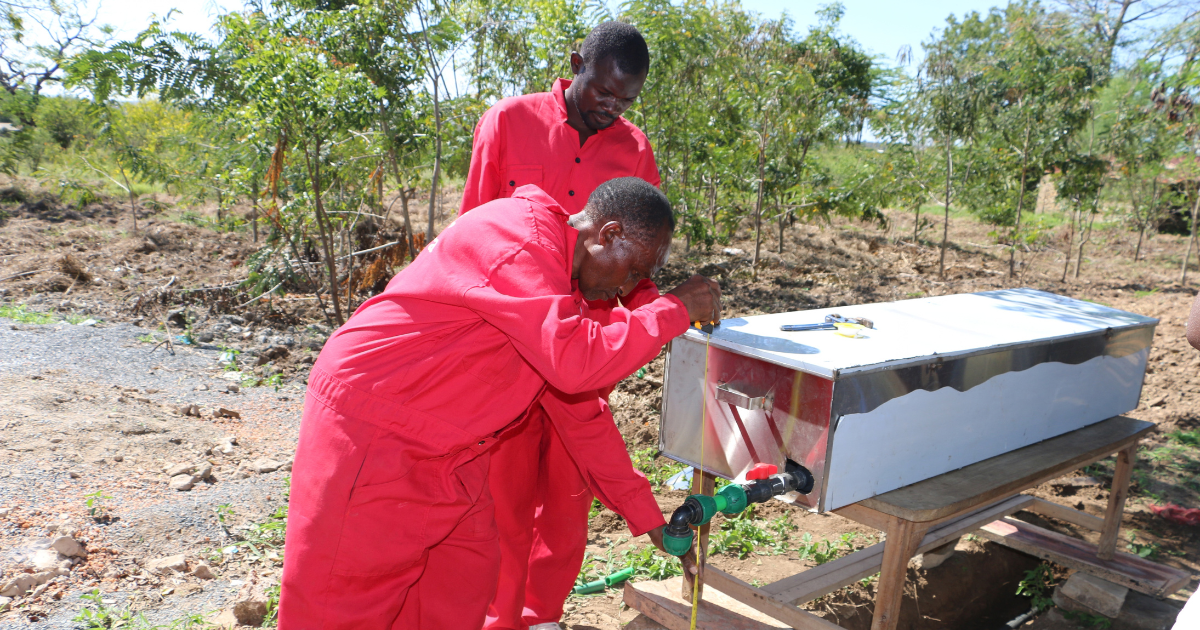
The Anglican presence in the area dates back to 1969, when the church became the first church established in the community. Today, Rev. Earnest’s work extends beyond evangelism. He has been trying to find practical ways to respond to the everyday challenges facing the people he serves. Safe drinking water became one of those priorities. “We wanted to get them safe water and prevent our older women and young girls from walking several kilometres a day in search of clean water,” Rev. Earnest explains.
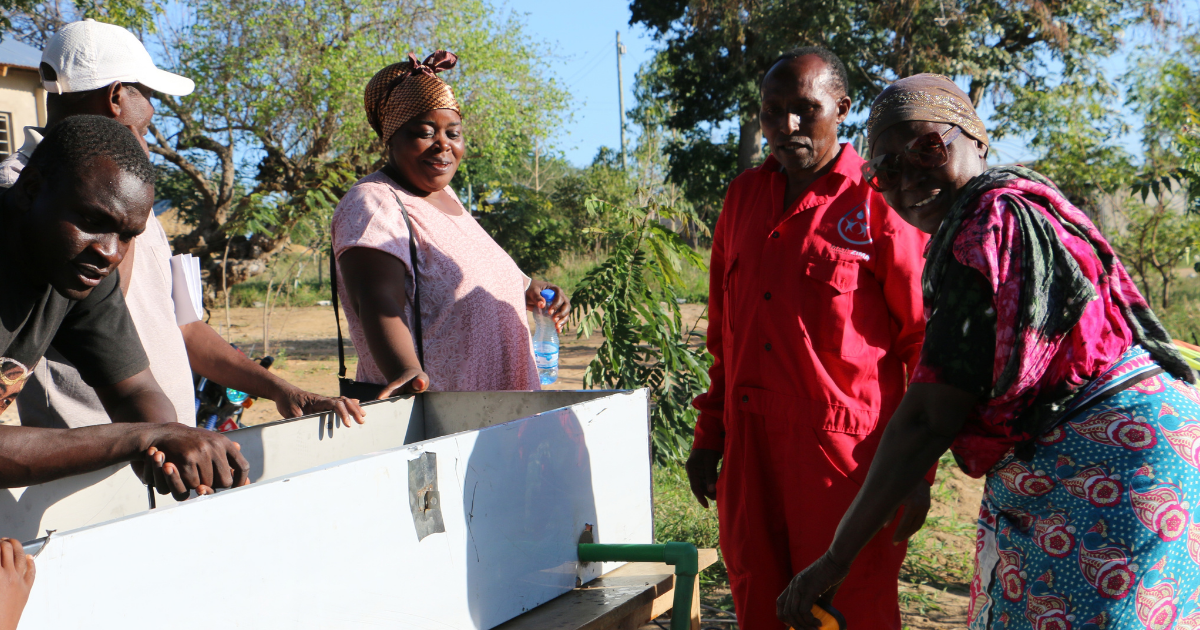
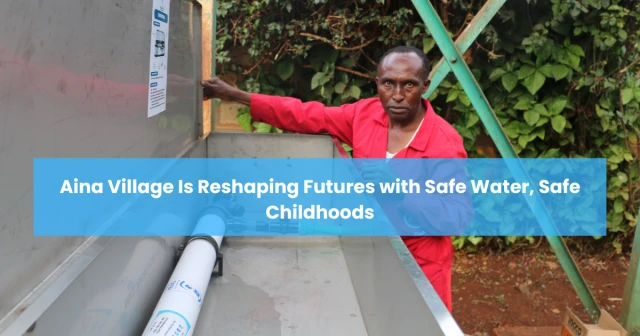
The need was visible. Visitors who came to the community had seen women walking long distances in search of water. Children were falling sick, while families continued to navigate the difficulties of poverty and limited access to basic services. After the borehole was drilled, the community began looking for an organisation that could help them take the next step: treating the water. That search led them to Maji Zima.
Bringing Safe Water Closer to Home
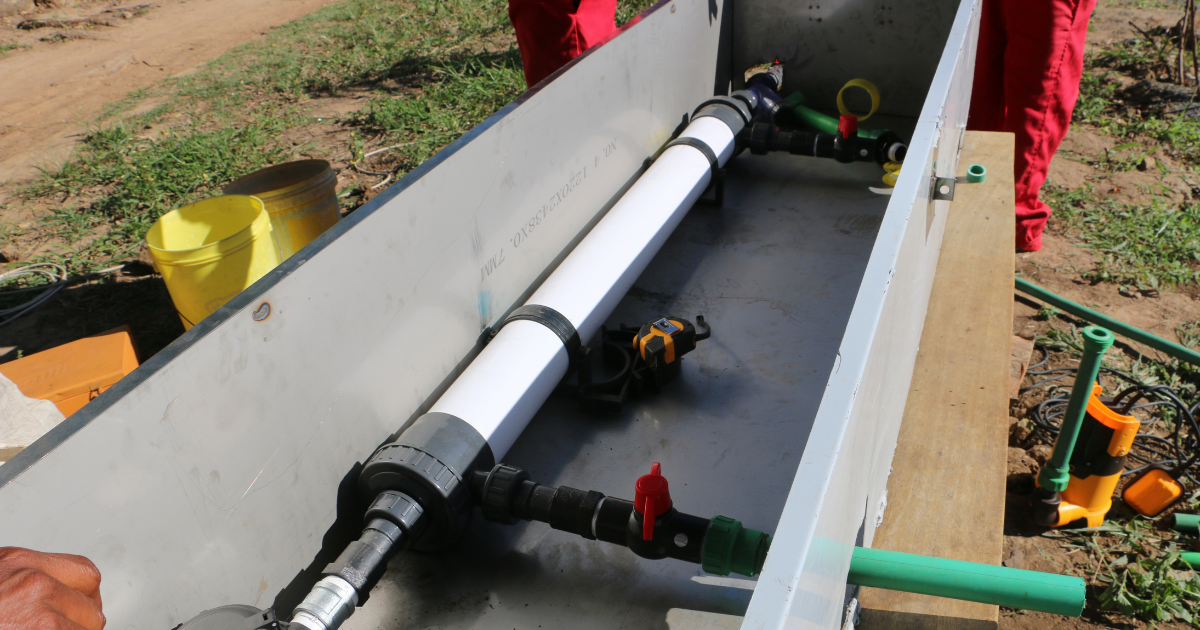
With a reliable water source, residents hope to expand agricultural activities and eventually develop a reverse osmosis system that could allow them to treat and sell water, creating an income stream for the community. For women in particular, this could open another door.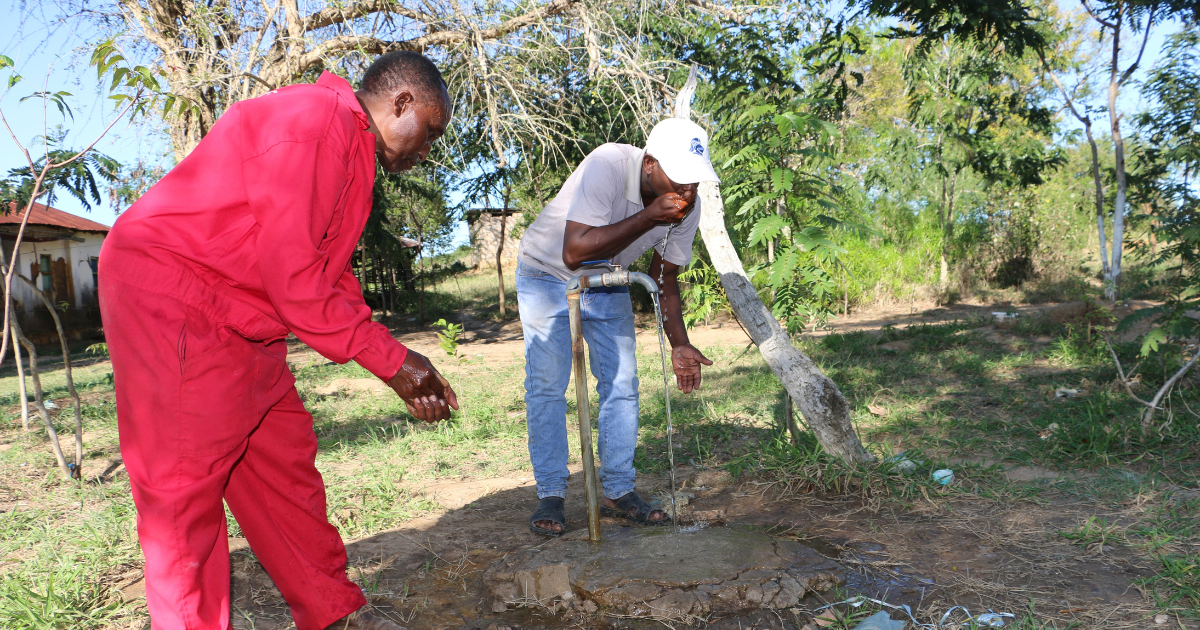
There is still much to be done. The community needs stronger sanitation infrastructure, including better latrines, and continued support for children and families facing poverty. There are also plans to support girls and boys to continue their education, alongside adult education initiatives already taking place in the area. Every transformation needs a beginning, and for Mgombezi, that beginning is water.
The work in Mgombezi is also a beginning for us, one that carries our organisation’s mission into a new region and closer to more communities seeking a safer, healthier future. The journey that once began with a walk to the river can now begin somewhere different: at home, with water that is safer to drink, and with a community looking ahead to what else that water can make possible.